Custom software or off-the-shelf: comparing the real cost over five years
Own it or rent it? How to compare the real cost over five years.

It is the first question almost everyone asks, and the honest answer is: it depends on what the system must do. That sounds like a dodge, so here is what it actually depends on, and how to keep the cost down.
1. What the system must do. The number of screens, rules, roles and reports is the biggest factor. A focused system for one process costs far less than a platform that runs a whole business.
2. Integrations. Each connection to another system, such as an online store, accounting software, an ERP or a payment gateway, adds work. Some are quick, some are not.
3. Outside users. A portal for customers, suppliers or contractors needs extra care with security and what each person may see.
4. Field and offline use. Capture on tablets with photos, GPS and offline sync is more involved than office-only screens.
5. Data to move across. Bringing years of data across from spreadsheets or an old system takes time, especially when it must match exactly.
6. What can be reused. This is the factor most people do not know about, and it brings the cost down the most.
Proven building blocks. Most business systems need the same foundations: logins and roles, audit trails, dashboards, exports, emails and on-screen signatures. We have built these many times and shape them to each business instead of starting from zero.
AI speeds up the build. AI now helps us write routine code much faster, and that saving goes straight into a lower cost. The design, the business rules and the checking are still done by experienced people.
No long discovery phase. We start from your spreadsheet or forms and define the detail as we build, so you are not paying for weeks of workshops.
A large upfront payment is the main reason businesses put off custom software. We spread the development cost over 6 to 12 months, interest free. The first version is usually live before the first invoice, and the payment period is not the build period. You can stop at any stage and stop future payments.
After that, there are no licence fees and no charge per user. You pay a low monthly fee for hosting and support, based on the size of the system. Registered non-profits and charities get special rates.
When comparing, remember the cost of staying as you are: the subscriptions, the workarounds, the retyping, the errors and the reports that arrive too late. Read custom versus off-the-shelf over five years for a simple way to compare.
The quickest way to a real figure is a short conversation. Tell us what the system must do and send a sample of what you use today. We will send a clear estimate, often the same day, with the monthly payment plan worked out.
Want to know what this would cost for your business?
Tell us what you need. The first consultation is free.

Own it or rent it? How to compare the real cost over five years.
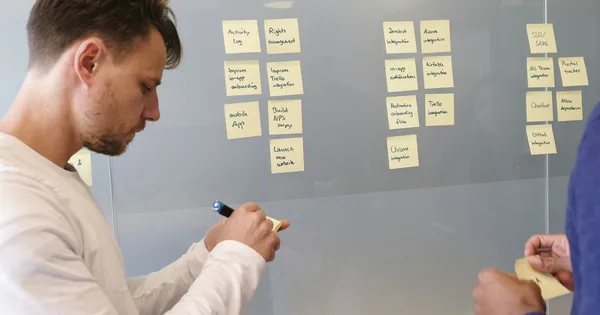
What happens between the first call and a working first version.